



Discover Stoic Philosophy Principles for Building Resilience in Modern Life
Stoic philosophy offers timeless wisdom that can significantly enhance resilience in our fast-paced, modern lives. By understanding and applying its core principles, individuals can cultivate emotional strength and mental toughness, essential for navigating life’s challenges. This article delves into the foundations of Stoic philosophy, exploring how its teachings can be integrated into daily practices for improved emotional regulation and resilience. Readers will learn about key Stoic philosophers, practical exercises, and the relevance of Stoicism in contemporary health and fitness. Ultimately, this guide aims to equip you with the tools to foster a resilient mindset through Stoic wisdom.
The enduring power of Stoic philosophy is evident in its capacity to provide practical tools for navigating the complexities of modern life, fostering both resilience and self-control.
Stoic Philosophy: Practical Tools for Modern Resilience & Self-Control
In the modern era, the lessons from Stoicism still hold significant relevance today. This philosophical approach, with its focus on self-control, resilience, and inner peace, offers practical tools for navigating the complexities of contemporary existence. Stoic philosophy’s potential applications extend beyond personal well-being, influencing leadership, decision-making, and ethical conduct.
The Great Stoic: Philosophies, Quotes and Wisdom of Stoicism: Master Stoic Resilience in Modern Life Without Overwhelming Effort, 2024
What Are the Foundations of Stoic Philosophy for Modern Resilience?
Stoicism is a philosophy that emphasizes rationality, self-control, and virtue as pathways to a fulfilling life. Its core principles advocate for the acceptance of things we cannot change while focusing on our responses to life’s events. This approach fosters resilience by encouraging individuals to maintain a balanced perspective, even in adversity. The relevance of Stoicism today lies in its practical applications for emotional regulation and mental toughness, making it a valuable framework for personal development.
Indeed, the enduring relevance of Stoicism in contemporary society is well-documented, offering a profound guide to personal flourishing and mental freedom.
Stoicism: Ancient Wisdom for Modern Resilience & Well-being
Stoicism is a school of ancient Greco-Roman philosophy whose influence has persisted to the present day. This exploratory chapter presents the ethical philosophy of Stoicism as a guide to personal and professional flourishing and well-being. It lays great emphasis on resilience and mental freedom gained from living a life of moral virtue in accordance with nature, thereby gaining a state of “imperturbable tranquility.” Additionally, Stoicism has inspired many modern approaches to personal development (such as “Self-Help” movement), influenced logotherapy and psychotherapy (in particular, cognitive behavioral therapy and its precursor, rational emotive behavior therapy).
More than happiness: A stoic guide to human flourishing, S Dhiman, 2021
Who Were the Key Stoic Philosophers and Their Core Teachings?
The key figures in Stoic philosophy include Marcus Aurelius, Epictetus, and Seneca, each contributing unique insights into the practice of Stoicism. Marcus Aurelius, a Roman Emperor, emphasized the importance of self-reflection and the practice of mindfulness in his work “Meditations.” Epictetus, a former slave, taught that our perceptions shape our experiences, advocating for the idea that we can control our reactions to external events. Seneca, a statesman and playwright, focused on the significance of virtue and the pursuit of wisdom as essential components of a good life. Together, their teachings form the foundation of Stoic thought, providing practical guidance for modern resilience.
How Do Stoic Principles Promote Emotional Regulation and Mental Toughness?

Stoic principles promote emotional regulation by encouraging individuals to differentiate between what is within their control and what is not. Techniques such as negative visualization, where one imagines potential losses, help cultivate gratitude and reduce anxiety about the future. Additionally, the practice of reframing negative thoughts into constructive perspectives fosters mental toughness. By applying these techniques, individuals can develop a more resilient mindset, enabling them to face challenges with composure and clarity.
Which Practical Stoic Exercises Enhance Emotional Regulation Methods?
Practical Stoic exercises are essential for integrating Stoic principles into daily life. These exercises not only enhance emotional regulation but also build resilience through consistent practice.
What Step-by-Step Stoic Practices Build Mental Toughness?
- Daily Reflection: Spend a few minutes each day reflecting on your thoughts and actions. Consider what went well and what could be improved, fostering a mindset of continuous growth.
- Negative Visualization: Regularly practice imagining the loss of things you value. This exercise helps cultivate appreciation and prepares you for potential challenges.
- Journaling: Write about your experiences and feelings. This practice encourages self-awareness and helps clarify your thoughts, making it easier to manage emotions.
These practices, when performed consistently, can significantly enhance mental toughness and emotional resilience.
How Can Philosophical Mindfulness Improve Stress Management Techniques?
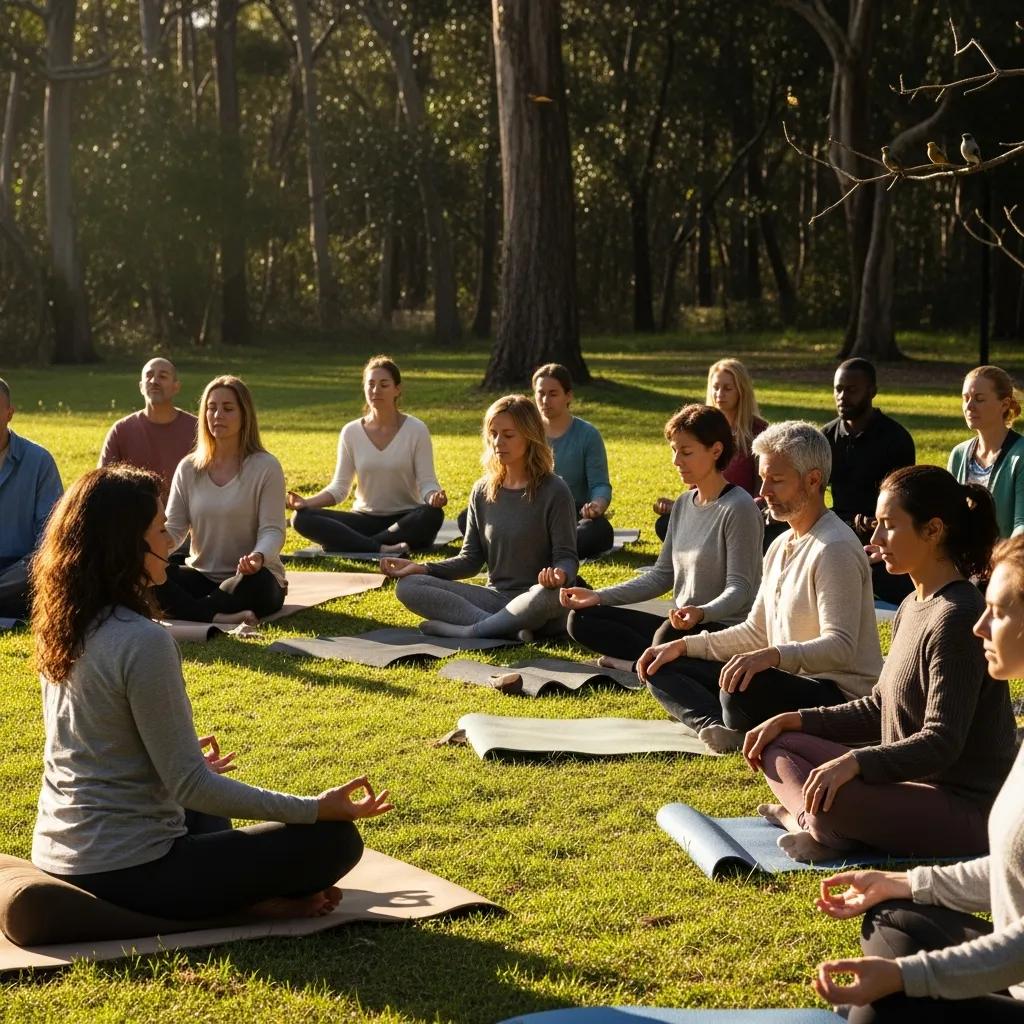
Philosophical mindfulness, rooted in Stoic thought, involves being present and aware of one’s thoughts and feelings without judgment. Techniques such as meditation and focused breathing can help individuals manage stress effectively. By incorporating mindfulness into daily routines, individuals can cultivate a sense of calm and clarity, allowing them to respond to stressors with greater resilience. This integration of mindfulness with Stoic principles creates a powerful framework for emotional regulation.
How Does Stoicism Integrate with Modern Health and Fitness for Resilience?
Stoicism’s relevance extends beyond philosophy into the realms of health and fitness, where its principles can enhance overall well-being. By adopting a Stoic mindset, individuals can approach their health and fitness goals with greater determination and resilience.
What Scientific Evidence Links Stoicism to Psychological and Physical Health?
Recent studies have shown that Stoic practices can lead to improved psychological well-being. Research indicates that individuals who engage in Stoic exercises report lower levels of anxiety and depression. Furthermore, the emphasis on self-discipline and control aligns with physical health goals, promoting healthier lifestyle choices. This connection between Stoicism and health underscores the philosophy’s practical benefits in modern life.
Indeed, empirical research further supports the efficacy of Stoic practices, demonstrating tangible improvements in cognitive function and emotional resilience.
Stoic Training for Cognitive Improvement & Emotional Resilience
The current study investigates whether the practical application of Stoicism, a philosophy originating from the Hellenistic period, will provide similar self-report and cognitive improvement in a sample of high worriers. Results found significant effects of Stoic training on rumination and self-efficacy. Text analyses of the Stoic training found reduced frequencies of anxious and negatively valenced words questions related to self-assessments and planning. The study provides a positive foundation for the further research and development of Stoic training.
The effects of stoic training and adaptive working memory training on emotional vulnerability in high worriers, A MacLellan, 2021
How Can Stoic Wisdom Inform Health Decision-Making and Lifestyle Management?
Stoic wisdom can guide individuals in making informed health decisions by emphasizing the importance of rationality and self-control. For instance, when faced with dietary choices, a Stoic approach encourages individuals to consider the long-term benefits of their decisions rather than succumbing to immediate gratification. By applying Stoic principles to lifestyle management, individuals can cultivate healthier habits that contribute to overall resilience.
What Are Effective Resilience Techniques Inspired by Stoic Wisdom?
Stoic wisdom offers a variety of techniques that can enhance resilience in the face of adversity. These techniques empower individuals to navigate life’s challenges with confidence and composure.
How Do Stoic Exercises Enhance Cognitive Reframing and Emotional Resilience?
Stoic exercises, such as cognitive reframing, allow individuals to shift their perspectives on challenging situations. By viewing obstacles as opportunities for growth, individuals can foster emotional resilience. This reframing process encourages a proactive approach to difficulties, transforming potential setbacks into valuable learning experiences.
Which Modern Stressors Can Be Managed Using Stoic Strategies?
Modern stressors, such as work-related pressures and personal challenges, can be effectively managed through Stoic strategies. Techniques like mindfulness and emotional regulation help individuals maintain composure in high-stress situations. By applying Stoic principles, individuals can develop a resilient mindset that enables them to face contemporary challenges with confidence.
How Can You Apply Modern Stoicism Practices for a Resilient Lifestyle?
Integrating Stoicism into daily life can significantly enhance resilience and emotional well-being. By adopting Stoic practices, individuals can cultivate a mindset that supports personal growth and resilience.
What Lifestyle Integration Tips Support Stoic-Based Mental Toughness?
- Set Daily Intentions: Begin each day with a clear intention to practice Stoic principles, focusing on what you can control.
- Embrace Challenges: View challenges as opportunities for growth rather than obstacles. This shift in perspective fosters resilience.
- Connect with Nature: Spend time outdoors to reflect and recharge. Nature can provide a calming backdrop for Stoic contemplation.
These lifestyle integration tips can help individuals embody Stoic principles, enhancing their mental toughness and resilience.
How Do Guided Meditations and Interactive Exercises Reinforce Stoic Resilience?
Guided meditations and interactive exercises can reinforce Stoic resilience by providing structured opportunities for reflection and mindfulness. These practices encourage individuals to engage with their thoughts and emotions, fostering a deeper understanding of themselves. By incorporating guided meditations into their routines, individuals can cultivate a sense of calm and clarity, further enhancing their resilience in the face of life’s challenges.